Our Solution

Access. Retention. Completion. Employability.

The challenge we must address

For many vulnerable children and young people in Zimbabwe, education remains out of reach due to poverty, rising school-related costs, and household pressures. Fees, uniforms, learning materials and basic necessities continue to prevent children from enrolling, attending consistently and completing school. In 2024, approximately 1.3 million children were not attending school, while about 40,000 dropped out in 2025 (UNICEF, 2025; EMIS, 2025).

Poverty is a major driver, with an estimated 4.8 million of Zimbabwe’s 7.1 million children living in poverty, while nearly 10 million of the country’s 17 million people live in poverty (UNICEF, 2025). Financial hardship, early marriage, teenage pregnancy and child labour further push children out of school, particularly those from vulnerable households.

Without second-chance education and timely support, excluded children face increased risks of exploitation, child marriage, substance abuse, unemployment and lifelong poverty. This not only limits their future opportunities but also undermines Zimbabwe’s human capital development and progress towards SDG 4: Quality Education. Addressing the challenge requires more than returning children to classrooms; it requires holistic support that helps them learn, thrive, develop relevant skills and transition into meaningful futures.

In 2024 alone, approximately 50,000 learners dropped out of school in Zimbabwe. This excludes children who fail to start school by age 7. Poverty remains a major barrier, with an estimated 4.8 million of Zimbabwe’s 7.1 million children living in poverty, while nearly 10 million of the country’s 17 million people live in poverty. Financial hardship, early marriage, teenage pregnancy and child labour continue to drive children out of school. Without second chance education, these children face greater risks of exploitation, substance abuse and crime, undermining Zimbabwe’s human capital and progress towards SDG 4: Quality Education

Children from low-income and vulnerable households are the most affected. Without timely support, children who are excluded from education face increased risks of exploitation, child marriage, substance abuse, unemployment, and lifelong poverty.

If this challenge is not addressed, the number of children excluded from education will continue to grow, limiting Zimbabwe's investment in human capital development and reducing future opportunities for young people to contribute meaningfully to the country's social and economic progress.

While Zimbabwe has historically been recognised for its strong education system, growing economic pressures are creating barriers to education access, retention, and completion. Addressing this challenge requires more than getting children into classrooms; it requires holistic support that enables them to learn, thrive, and transition into meaningful futures.

Our Solution

Be the Light Access Retention Completion Employability
Access We enrol vulnerable out-of-school children and young people into learning opportunities, helping them return to education and continue their learning journey.
Retention We retain enrolled learners in our program throughout an academic cycle from primary to secondary school.
Completion We facilitate school completion for vulnerable children and young people.
Employability We facilitate vocational skills training for vulnerable young people.

Eliminating barriers to education through layered services

We address barriers to education through layered services that combine learning support with protection, health, nutrition, birth registration, and positive parenting.
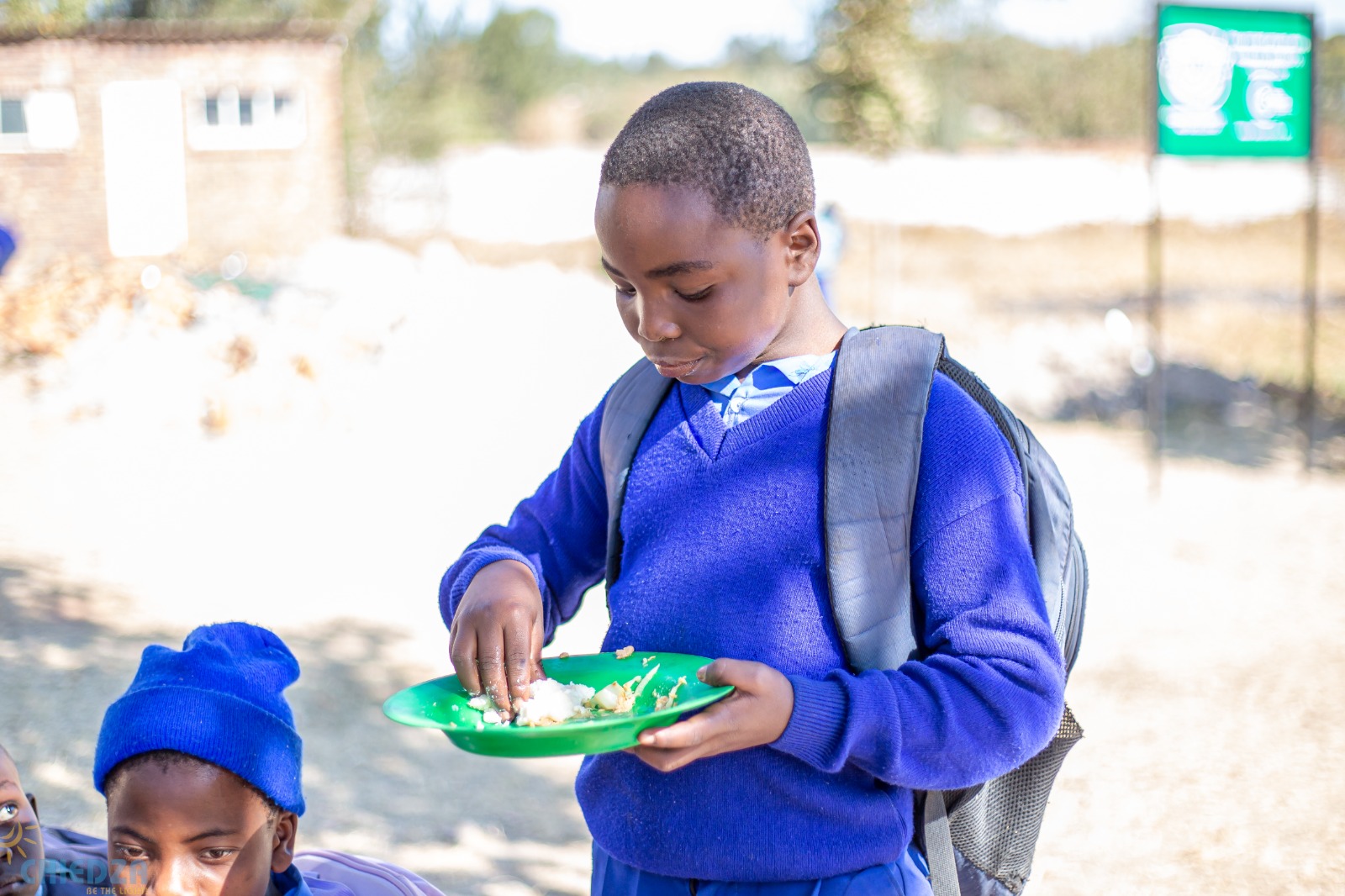
Hot Meals

Hot Meals

We provide 2 meals a day for learners to promote retention in school.
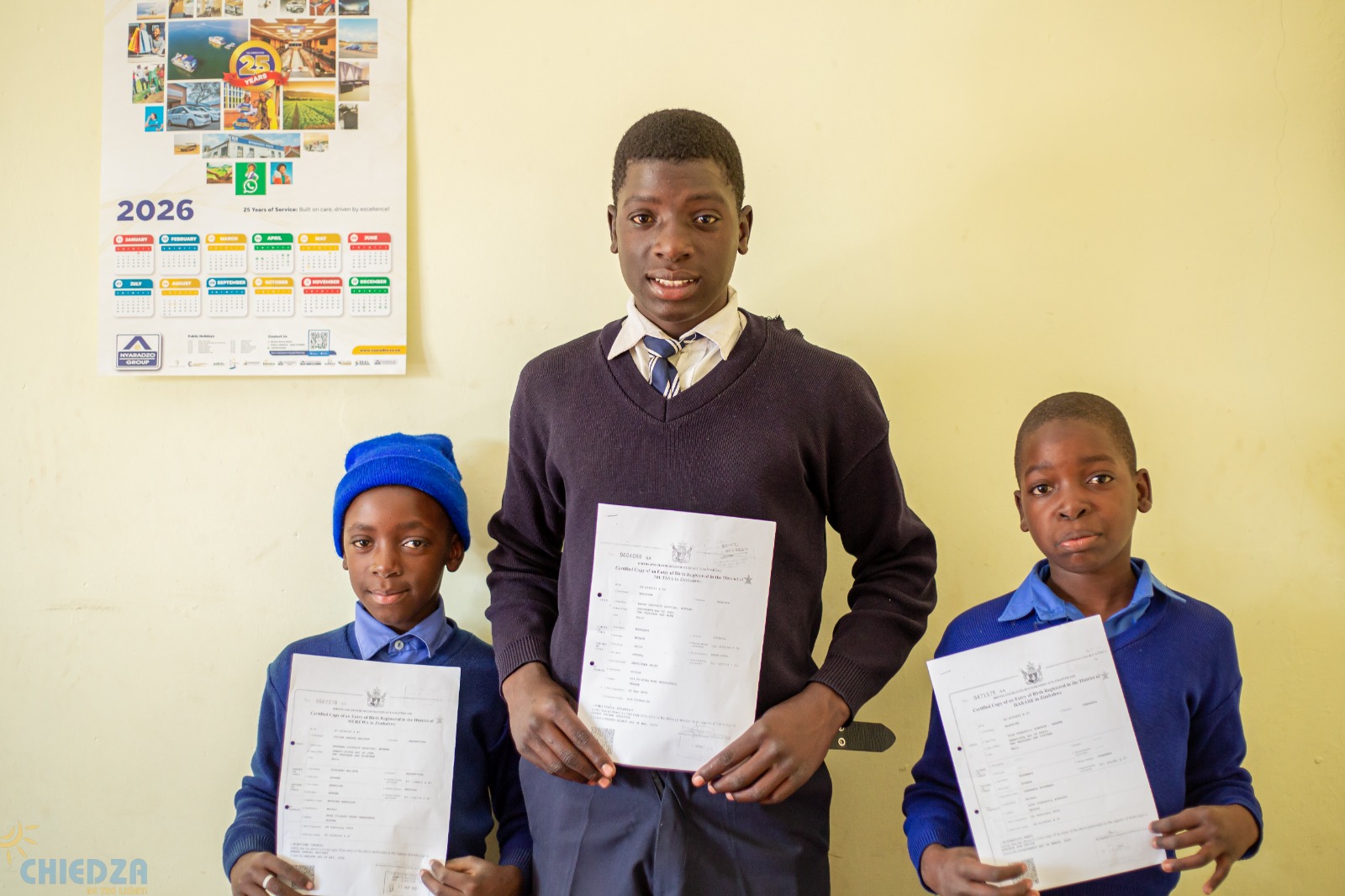
Birth Registration

Birth Registration

We facilitate birth registration for learners to be eligible to sit for national examination.
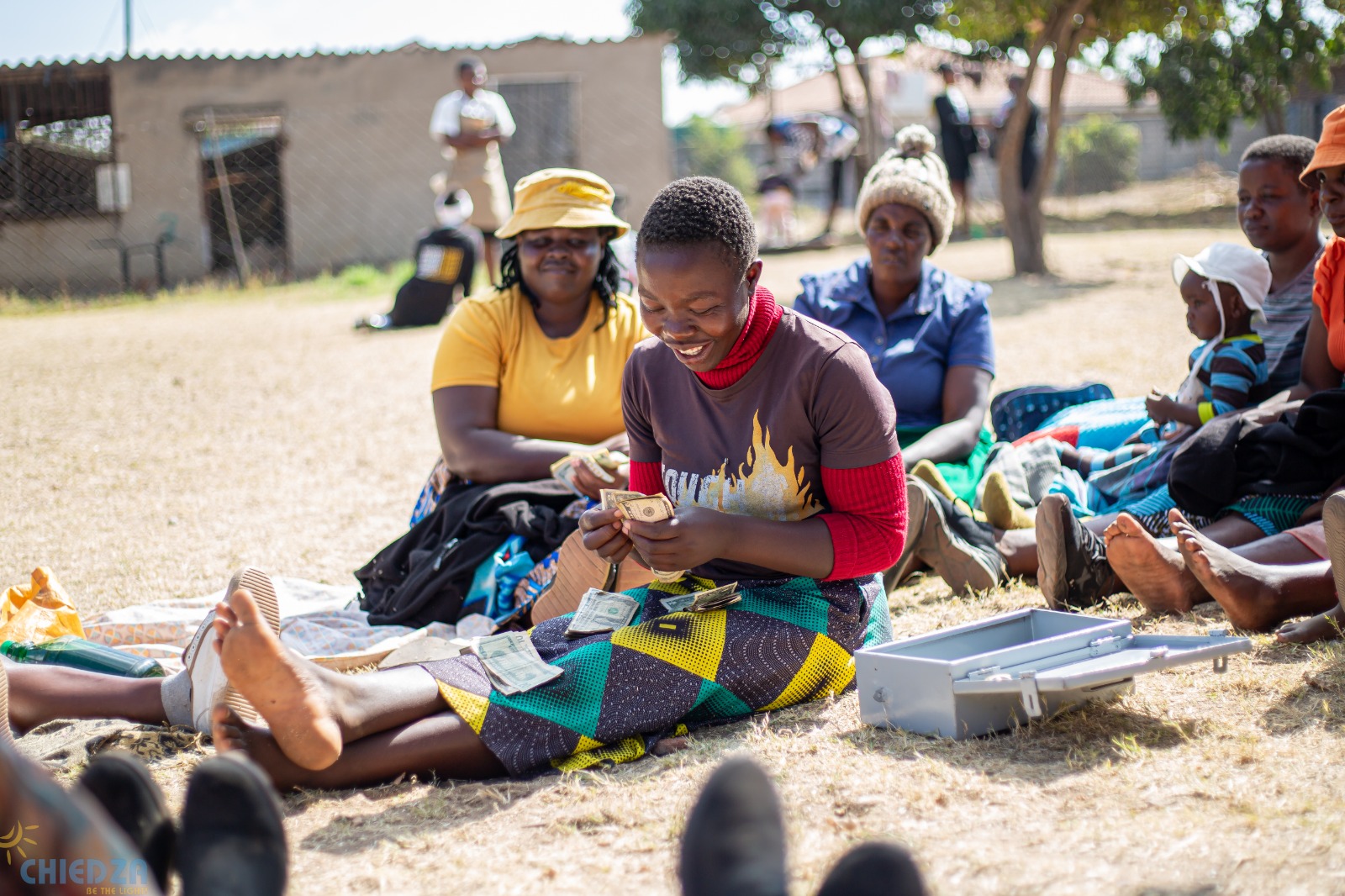
Economic Strengthening

Economic Strengthening

We facilitate income generating activities for parents and caregivers to contribute towards their children`s education.
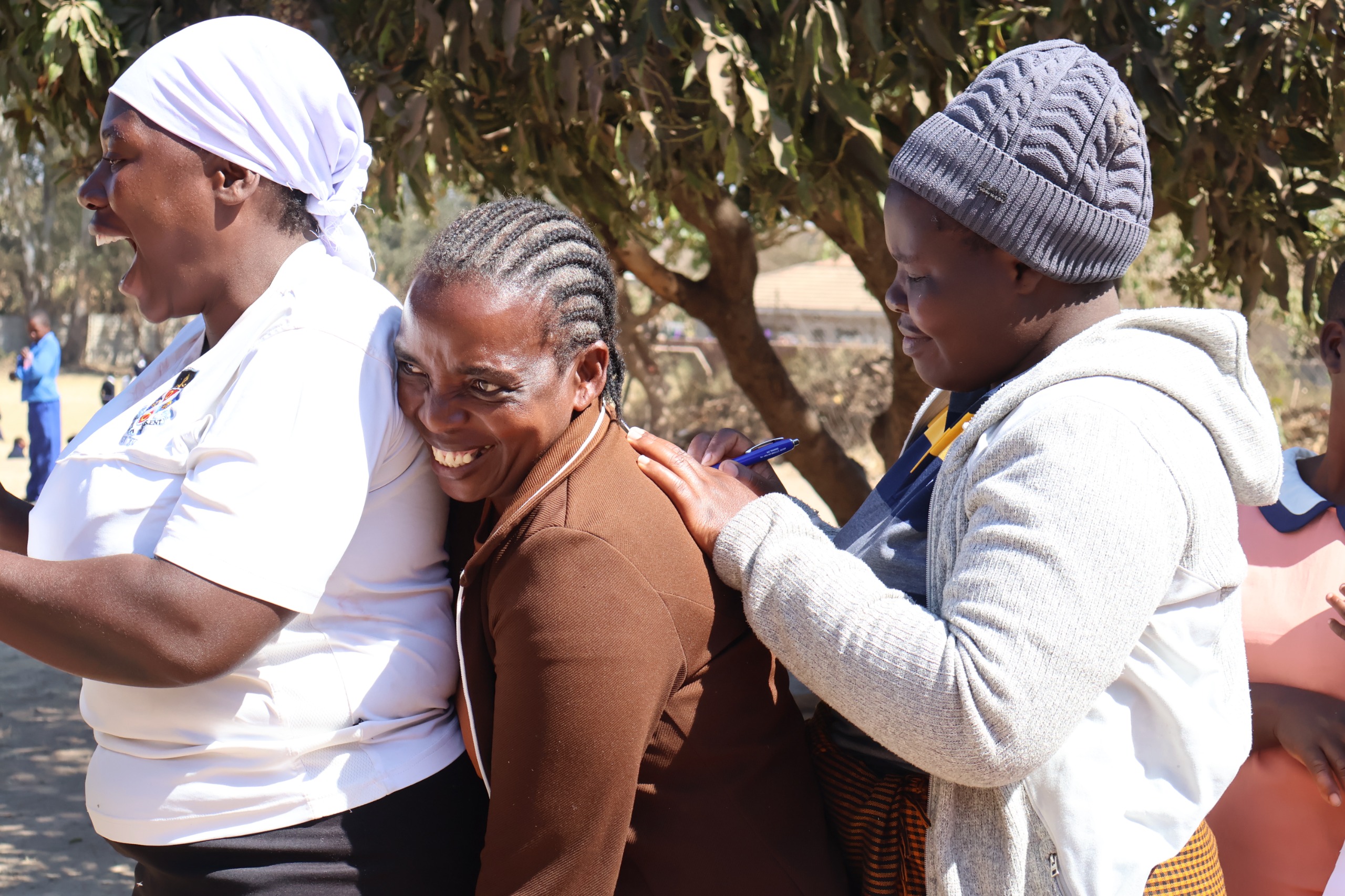
Positive Parenting Sessions

Positive Parenting Sessions

We facilitate positive parenting sessions to strengthen relationships between caregivers and their children, equipping families with practical skills to create safe, nurturing and supportive home environments.
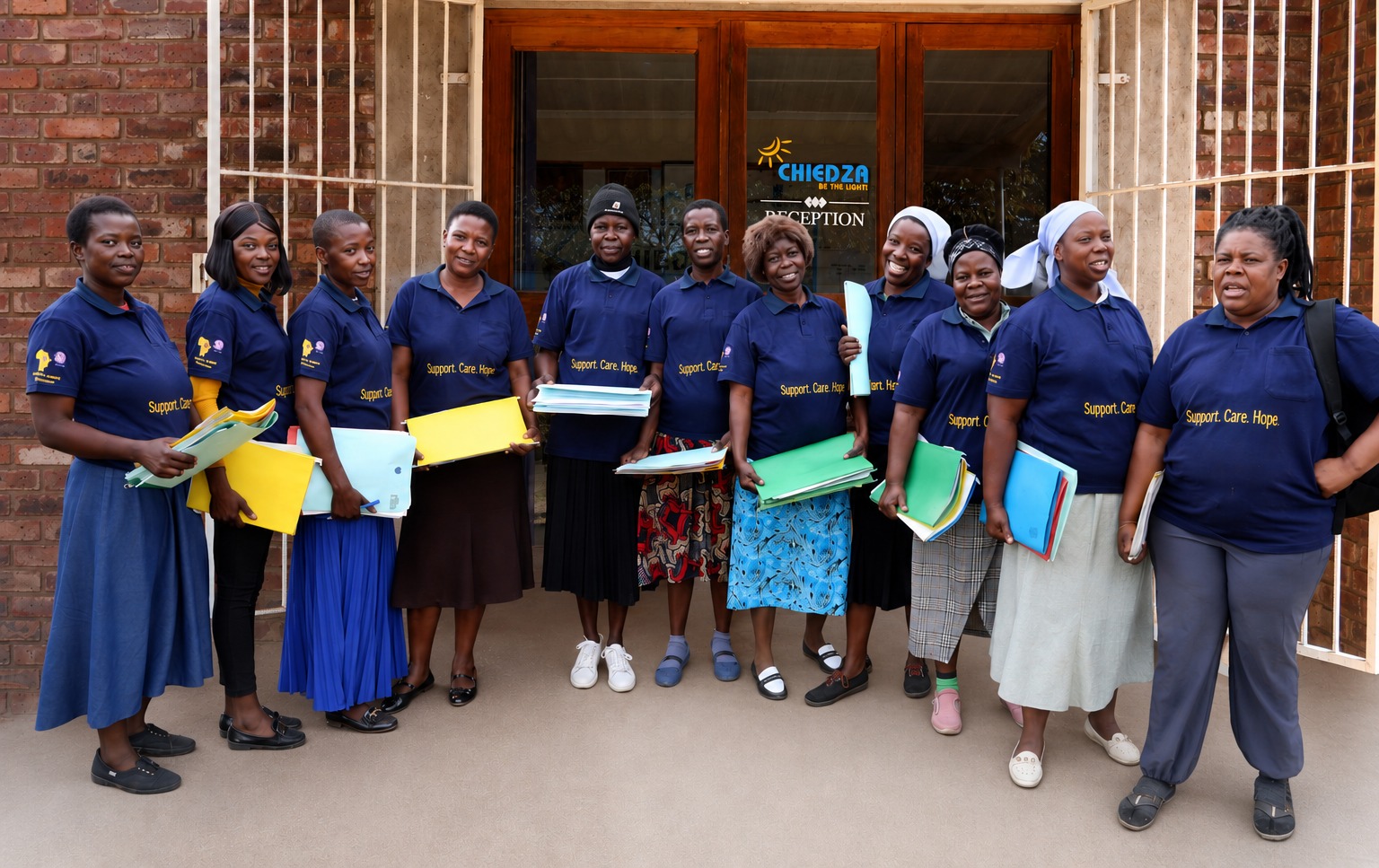
Child Welfare Case Management

Child Welfare Case Management

We provide child welfare case management that ensures vulnerable children are safely identified, supported, and connected to protection and care services
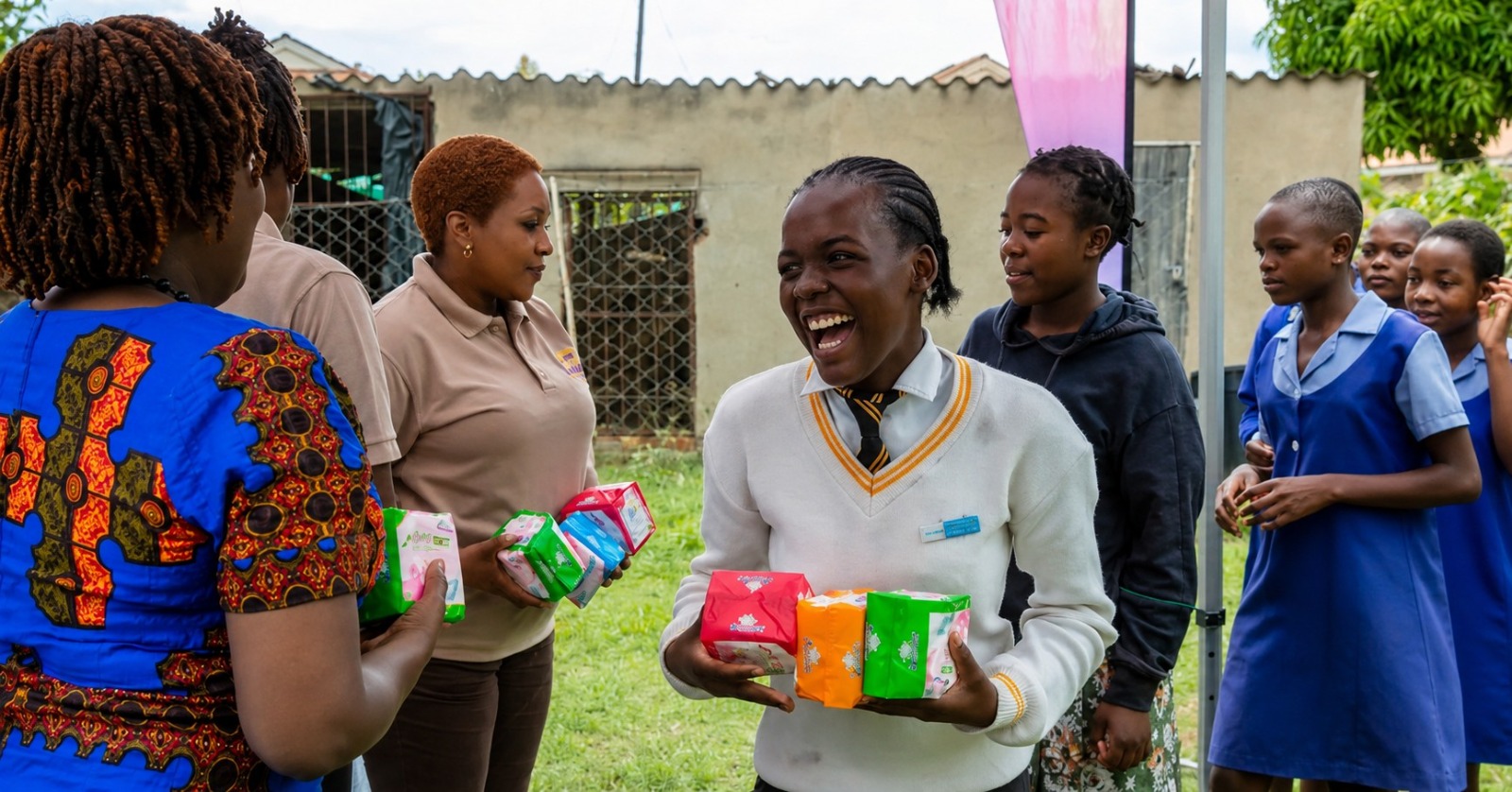
SRHR Awareness sessions

SRHR Awareness sessions

We strengthen access to Sexual Reproductive Health and Rights Awareness education, information, and referrals to reduce school dropout rates and improve retention and completion among vulnerable adolescents and young people
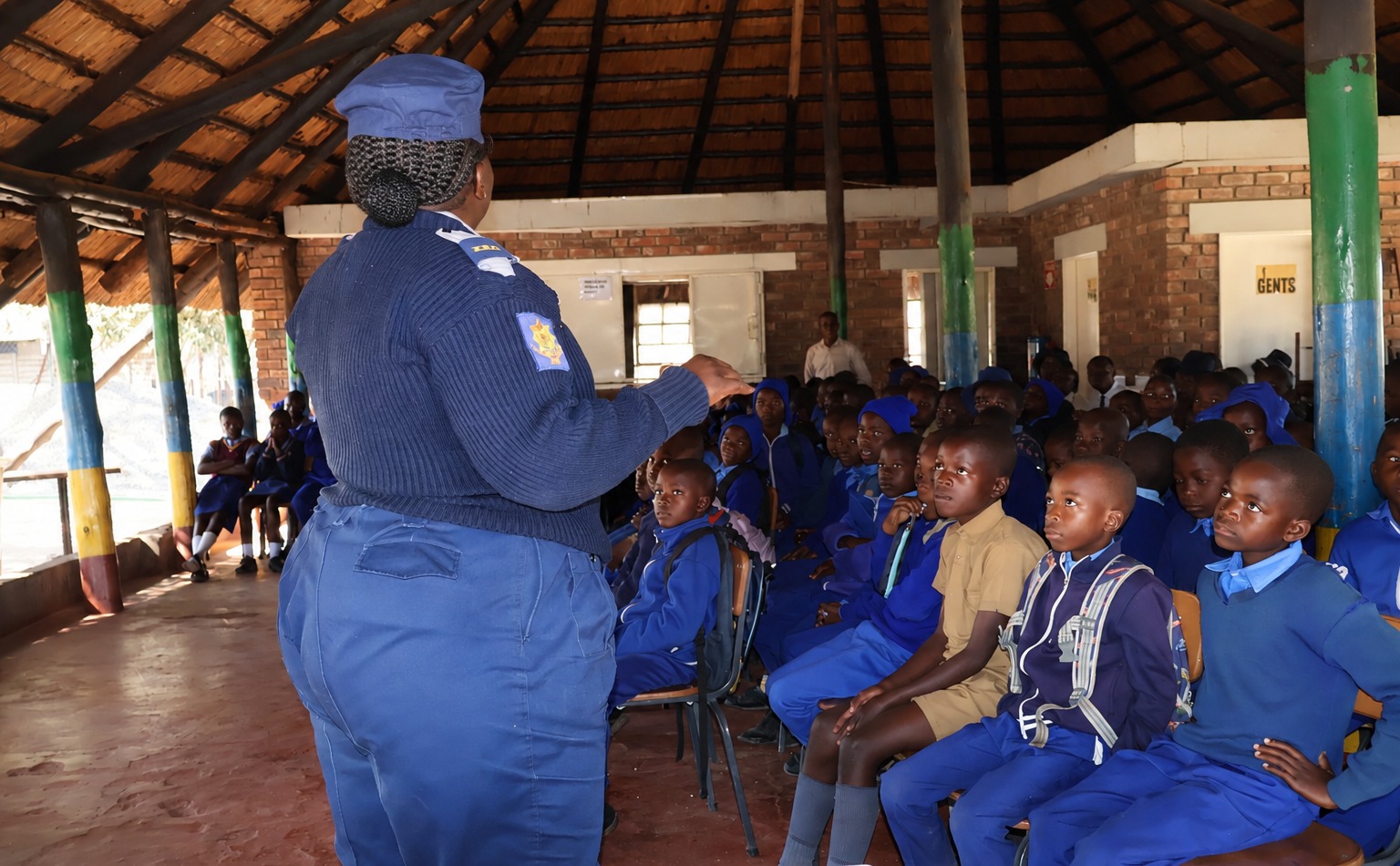
Drug and Substance Abuse Awareness sessions

Drug and Substance Abuse Awareness sessions

We equip adolescents and young people with the knowledge and life skills to resist drug and substance abuse, promoting healthier choices and improving school retention and completion.
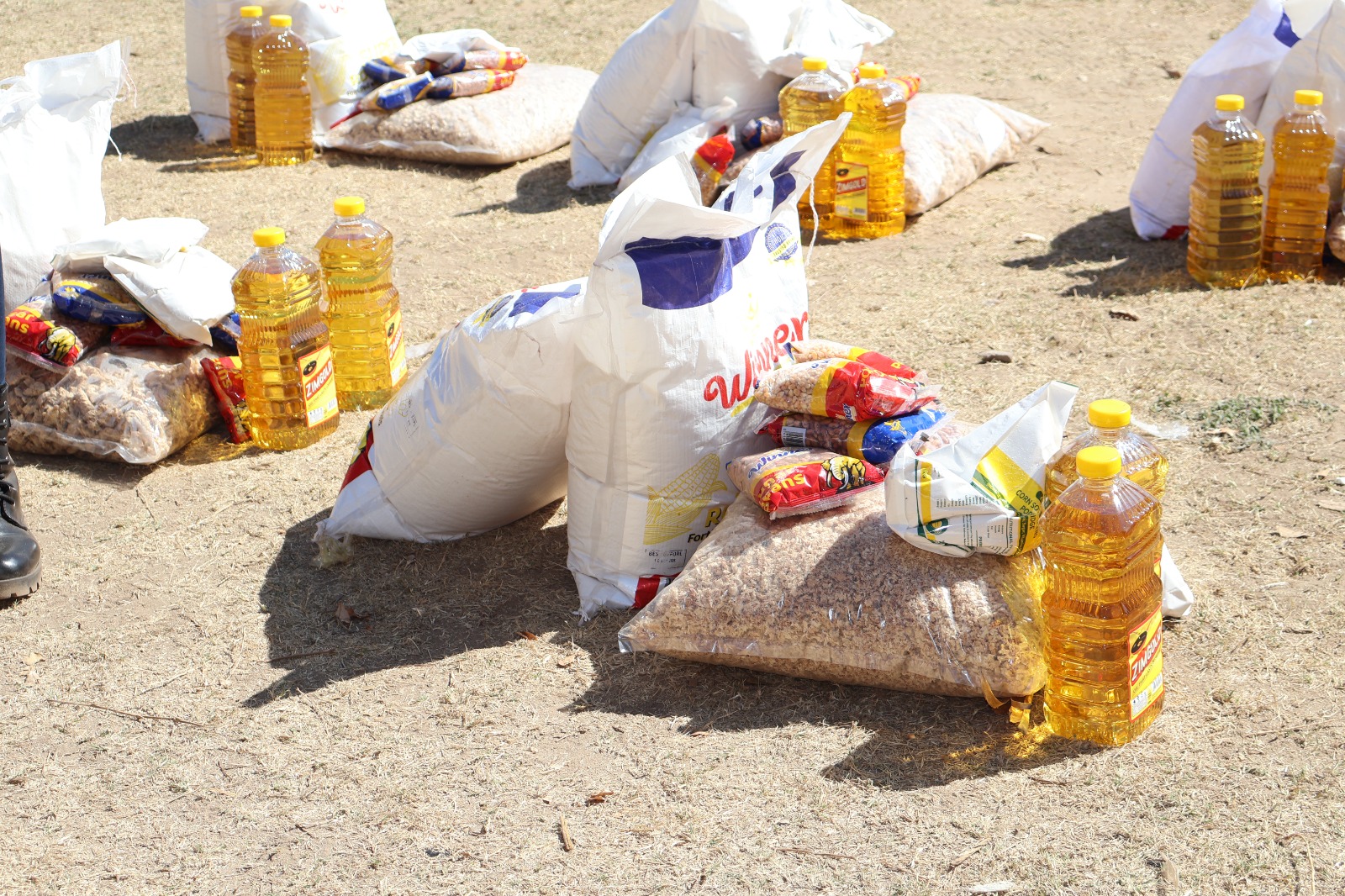
Food Packs

Food Packs

We provide food support to households with learners living with HIV, helping improve treatment adherence and promote their health and wellbeing.